Professional Septic System Installation and Service
A properly designed and installed septic system is essential for rural properties and homes not connected to municipal sewer. Septic systems handle wastewater treatment, protecting groundwater and ensuring safe disposal of household waste. At Evans Excavating, we specialize in complete septic services — from initial perc testing and design coordination to installation, repair, replacement, and ongoing inspection management. We understand septic systems in Fort Mill, Rock Hill, Charlotte, and surrounding areas, including local soil conditions, groundwater, and regulatory requirements.
We've installed and serviced septic systems for residential properties, commercial facilities, and multi-unit developments across Waxhaw, Pineville, Ballantyne, Lake Wylie, York, Tega Cay, Chester, Clover, and Steele Creek. We work with licensed septic designers, coordinate with health departments, and ensure every system meets code requirements and performs reliably for decades.
Types of Septic Systems
We work with various septic system designs appropriate for different soil conditions and property situations:
- Conventional Septic Systems: The most common system, consisting of a septic tank and subsurface drain field. Gravity moves wastewater from tank to drain field, where soil absorbs and treats effluent. Suitable for properties with favorable soil and sufficient drain field space.
- Mound Systems: Used when native soil is poor or groundwater is too high. We construct an elevated mound with imported fill containing drain field. Ideal for areas with tight clay soils or shallow bedrock common to some Carolina properties.
- Aerobic Treatment Systems: Advanced systems that add air to accelerate treatment, allowing smaller drain fields. Used where space is limited or soil conditions are marginal.
- Pressure Distribution Systems: Uses a pump to distribute effluent evenly across the drain field. Benefits properties with uneven terrain or marginal soils requiring uniform dosing.
- Sand Filter Systems: An alternative treatment method using sand beds to further treat wastewater. Used in situations where conventional treatment is insufficient.
The Septic Installation Process
Our comprehensive approach ensures long-term system reliability:
- Site Evaluation: We assess property size, soil type, groundwater depth, topography, and building location to determine feasibility and system options.
- Perc Testing: We perform percolation tests to determine soil absorption rate — essential for drain field sizing. Results determine system design requirements.
- Design Coordination: We work with licensed septic designers or engineers to develop a system plan meeting local health department requirements. We provide design information to the designer.
- Health Department Approval: We coordinate with the local health department to obtain septic system installation permits. Requirements vary by county and region.
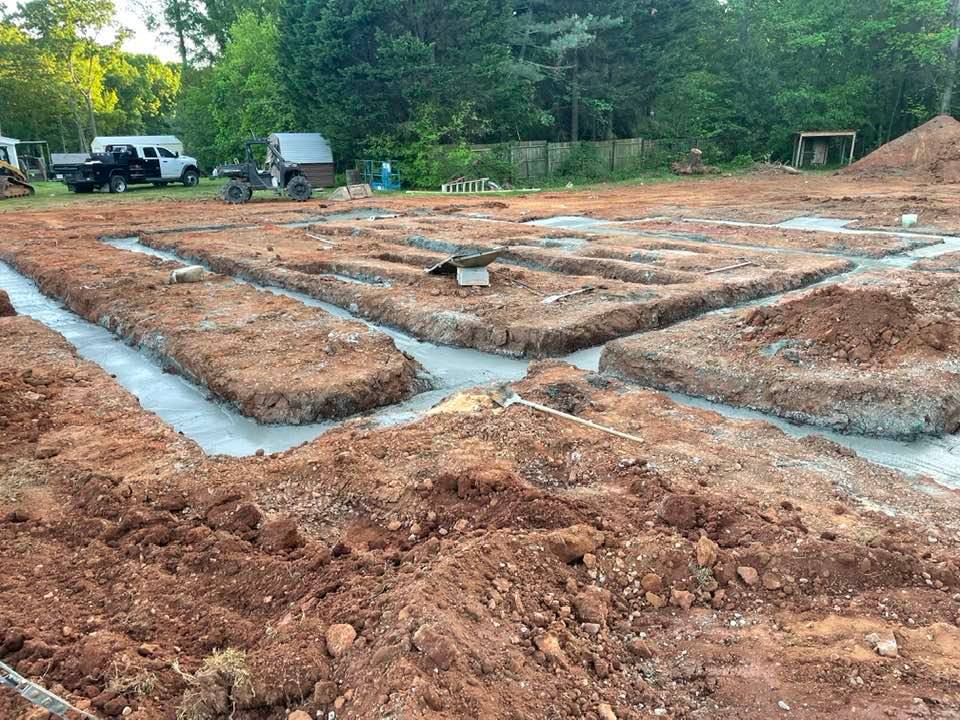
- Excavation: We excavate tank and drain field trenches to exact specifications. Precise depth and layout are critical for system performance.
- Tank Installation: We position the septic tank on a level, compacted base. Proper leveling and substrate preparation prevent tank settling and system failure.
- Drain Field Construction: We lay perforated pipe in properly graded trenches with appropriate gravel and soil layers. The drain field design determines the system's treatment capacity.
- System Testing and Inspection: We coordinate with health department inspectors who verify proper installation before system use.
Septic System Repair and Replacement
Existing systems may need repair or replacement:
- Drain Field Repair: If the drain field has failed or is saturated, we may construct a new field adjacent to the existing system. This extends system life without tank replacement.
- Tank Replacement: When tanks crack, collapse, or reach end of life, we remove the old tank and install a new one, reconnecting to the existing drain field if suitable.
- System Upgrade: If your property development needs increased capacity or if an aging system needs modernization, we design and install upgraded systems.
- Emergency Repairs: Backups, system failure, or code violations require immediate attention. We diagnose problems and implement solutions quickly.
Equipment and Process
We use specialized equipment for precise septic installation:
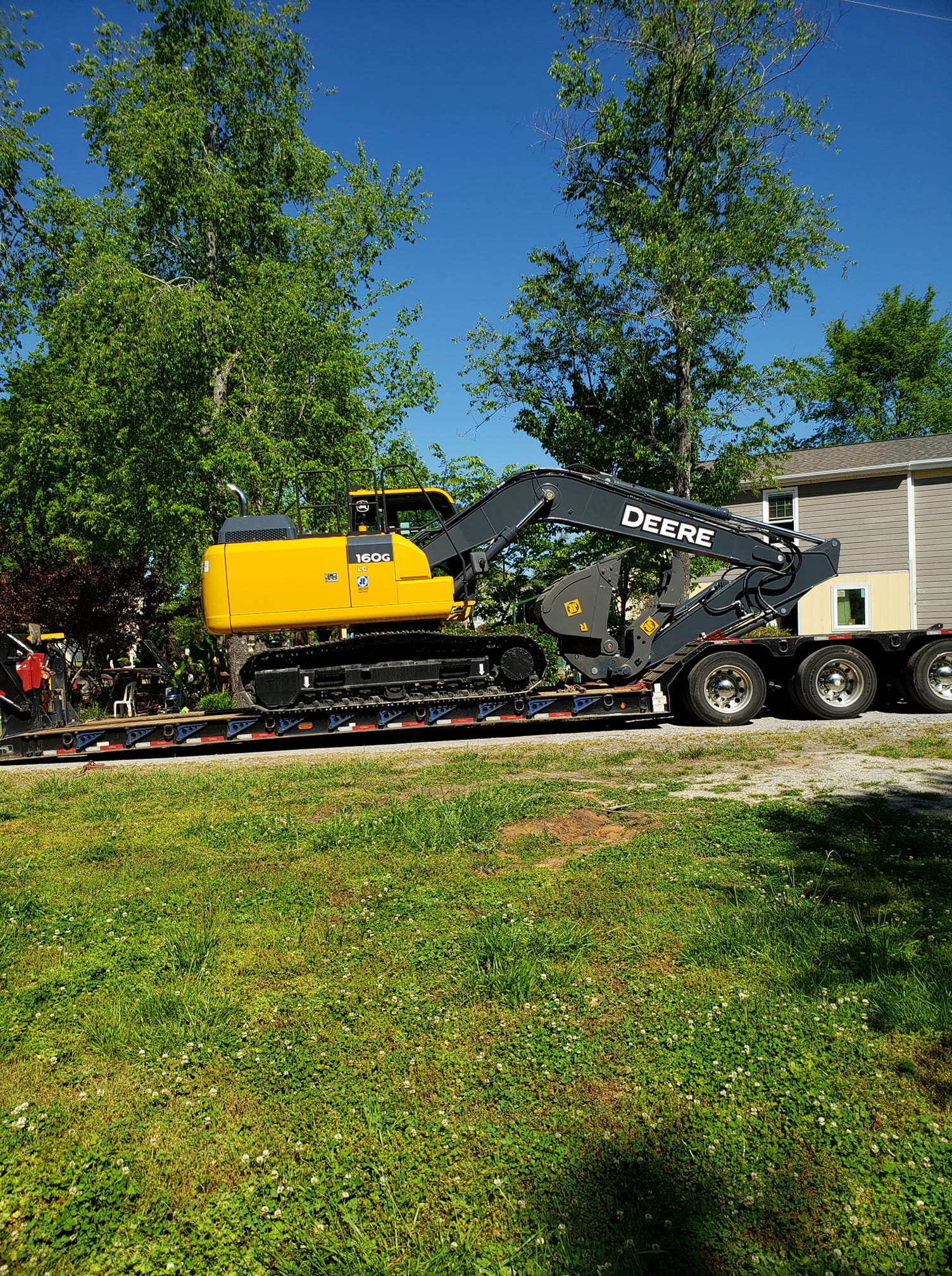
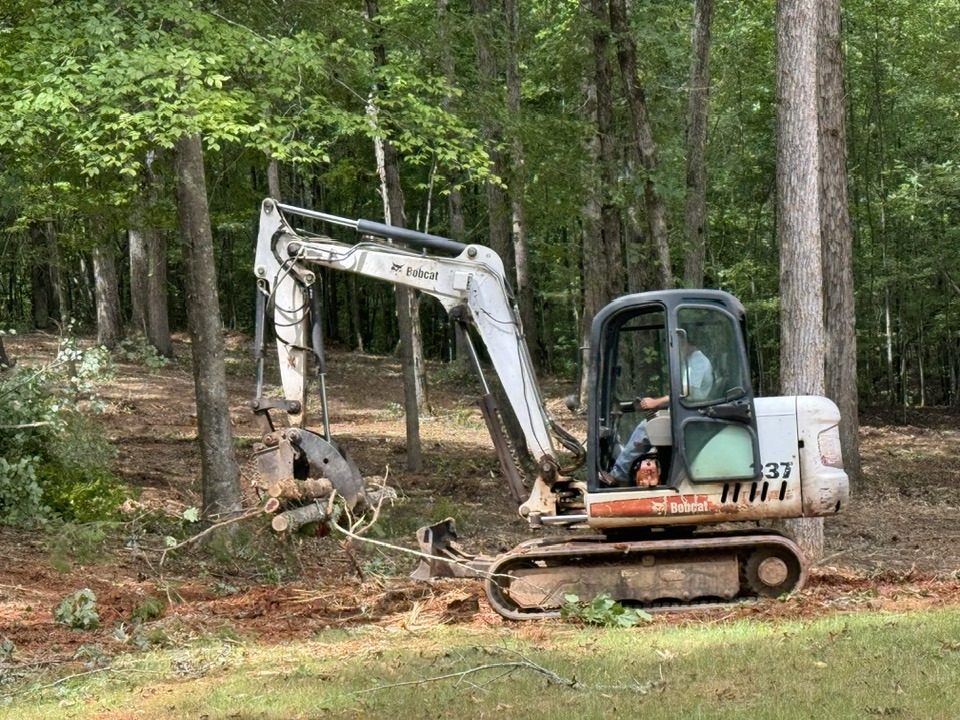
- Excavators: Precise excavation of tank pits and drain field trenches to exact specifications and depth.
- Backhoes: Flexible equipment for confined space work and detailed trenching in tight areas.
- Compactors: Proper soil compaction prevents settling of tank bases and ensures consistent drain field performance.
- Laser Levels: Precise slope measurement ensures drain field trenches have correct fall (typically 1% grade) for proper drainage.
- Survey Equipment: We locate utilities and verify system placement relative to wells, property lines, and buildings.
When You Need Septic Services
Common septic situations requiring professional service:
- New Home Construction: Building a rural home or property not on municipal sewer requires a new septic system.
- System Failure: Backups into the house, standing water over drain field, or odor problems indicate system failure requiring repair or replacement.
- Code Violations: Septic systems must meet current health department codes. Older systems may not meet current standards and may require upgrade or replacement.
- Property Expansion: Adding bedrooms or increasing occupancy may overload existing systems, requiring upgrade to larger capacity system.
- Inspection Before Purchase: Buying property with a septic system? We can inspect and assess system condition and remaining lifespan.
- Perc Testing: Before designing a new system, we perform perc tests to determine soil suitability and drain field sizing.
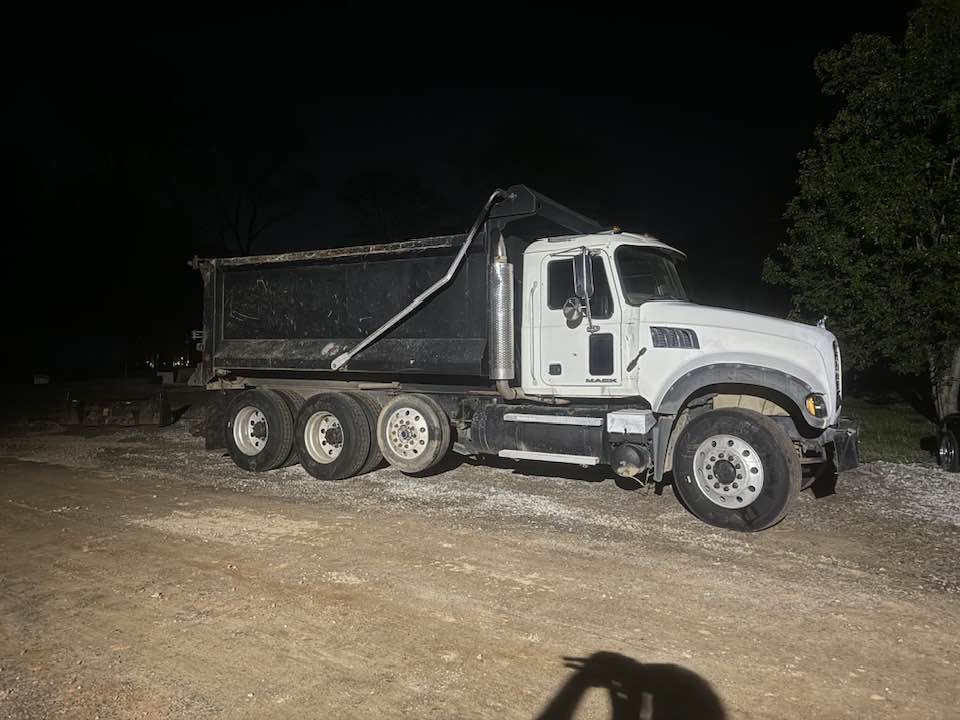
Gallery of Our Septic Work
Frequently Asked Questions
What is a perc test and why is it important?
A percolation (perc) test measures how quickly soil absorbs water. This determines drain field size — poor absorption requires larger drain fields; good absorption allows smaller fields. The test result is essential for system design and health department approval. We perform perc tests according to county standards and provide results to your system designer.
How long does septic system installation take?
Timeline varies based on system type and site conditions. A typical residential conventional system in Fort Mill or Rock Hill takes 1-2 weeks from start to finish, including excavation, tank and drain field installation, and health department inspection. More complex systems or challenging soil conditions may take 2-4 weeks.
What are signs of septic system failure?
Common failure signs include backups into the house, slow drains, standing water or soft spots over the drain field, odors near the tank or drain field, or lush vegetation over the drain field. Any of these indicate a problem requiring professional evaluation and likely repair or replacement.
How do I maintain my septic system?
Proper maintenance includes: pumping the tank every 3-5 years (based on usage and tank size), not pouring grease or chemicals down drains, avoiding excessive water use, keeping vehicles and structures off the drain field, and having the system inspected during tank pumping. Regular maintenance extends system life to 30+ years.