What Is Site Grading?
Site grading is the process of cutting and filling earth to create the proper contours, slopes, and elevations for construction, landscaping, drainage, and erosion control. Professional grading is essential for almost every development project — whether you're building a home foundation in Fort Mill, preparing a commercial pad in Rock Hill, or managing stormwater on a multi-acre site in Charlotte or Ballantyne. Proper grading affects everything from building stability to long-term water management.
At Evans Excavating, we combine precision equipment with experienced operators to achieve exact specifications. We've graded hundreds of sites across Fort Mill, Rock Hill, Charlotte, Waxhaw, Pineville, Lake Wylie, York, Tega Cay, Chester, Clover, and Steele Creek. Whether you need rough grading to establish major contours or finish grading to the quarter-inch, we deliver results that meet or exceed construction standards.
Types of Grading Services
We provide comprehensive grading services tailored to your project needs:
- Rough Grading: The initial phase where we move large quantities of earth to establish primary slopes and contours. This sets the foundation for all subsequent work and is critical for proper drainage and fill compaction.
- Finish Grading: The final refinement to exact elevations. We prepare the surface for concrete, asphalt, landscaping, or building pads with precision tolerances.
- Cut and Fill: Strategic removal of earth from high areas (cut) and placement in low areas (fill). This minimizes material haul-off and maximizes site efficiency.
- Slope Correction: Fixing drainage problems caused by improper slopes. We regrade to direct water away from structures and low areas.
- Building Pad Preparation: Creating level, compacted foundations for houses, commercial buildings, or other structures. We ensure proper bearing capacity and drainage.
- Driveway Grading: Preparing base layers for gravel or paved driveways with correct crown and slope for water runoff.
- Landscaping Prep: Grading for gardens, planting beds, lawn establishment, and outdoor living areas with proper elevation changes.
The Grading Process
Our systematic approach ensures quality results:
- Site Survey and Design Review: We review architectural or engineering plans, verify elevations, and understand drainage requirements and slope specifications.
- Equipment Mobilization: We position bulldozers, graders, excavators, and compaction equipment for efficient operations.
- Cut Operations: Using laser-guided graders, we carefully remove earth to specified elevations, minimizing disturbance to surrounding areas.
- Fill and Placement: Material is strategically placed, spread in uniform lifts, and prepared for compaction.
- Compaction and Testing: We compact earth in layers to specified densities. Compaction testing ensures proper bearing capacity and prevents future settlement.
- Final Grade Verification: We verify final elevations against plans to ensure specifications are met before the site moves to the next phase.
Equipment and Technology
We use advanced equipment and technology to achieve precision grading:
- Laser-Guided Graders: Motor graders equipped with laser systems maintain exact elevations across large areas, reducing rework and ensuring quality.
- Excavators: Tracked and wheeled excavators handle precision digging, slope cutting, and material handling with minimal site disturbance.
- Bulldozers: Heavy dozers move material efficiently and help establish rough contours and slopes.
- Vibratory Rollers and Compactors: Specialized equipment compacts earth and fill materials to required densities.
- GPS and Laser Surveys: We use modern surveying equipment to verify elevations and ensure compliance with design specifications.
When You Need Grading
Professional grading is required for numerous projects:
- New Construction: Every building requires a level, properly compacted foundation pad prepared by professional grading.
- Drainage Correction: If your Fort Mill or Rock Hill property has water issues, improper grading is often the cause — regrade to fix it.
- Commercial Development: Large projects in Charlotte, Ballantyne, and surrounding areas demand precise grading for parking lots, building pads, and stormwater management.
- Erosion Control: Proper slopes and contours direct water flow and prevent soil erosion and property damage.
- Landscaping Overhauls: Grading establishes contours for gardens, outdoor living spaces, and aesthetic improvements.
- Road and Driveway Construction: Foundations for paved or gravel surfaces require proper grading and compaction.
Gallery of Our Grading Work
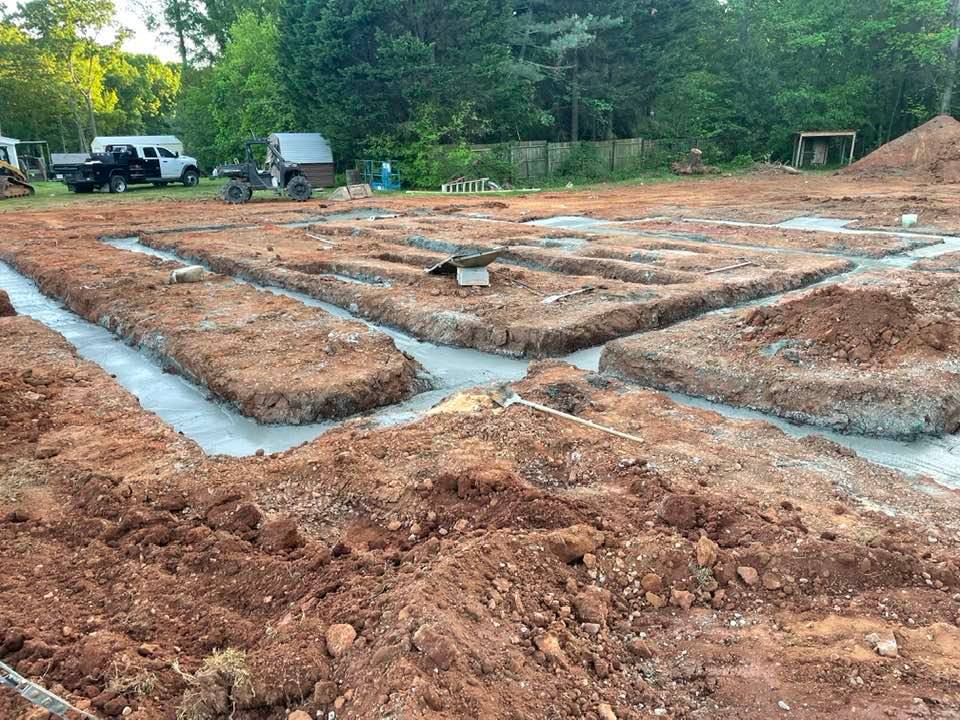
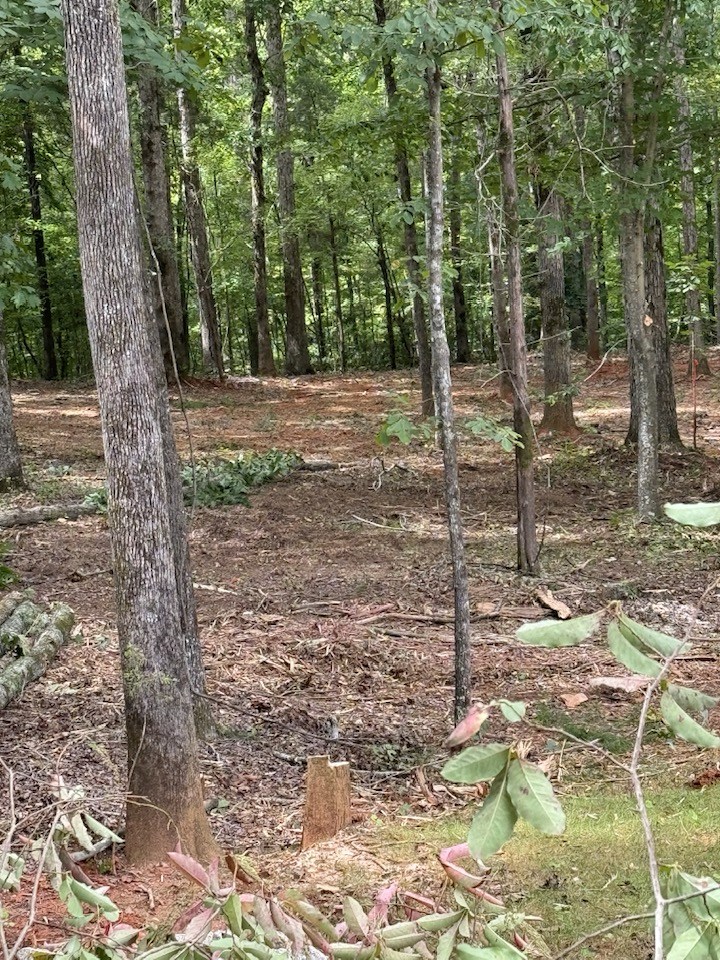
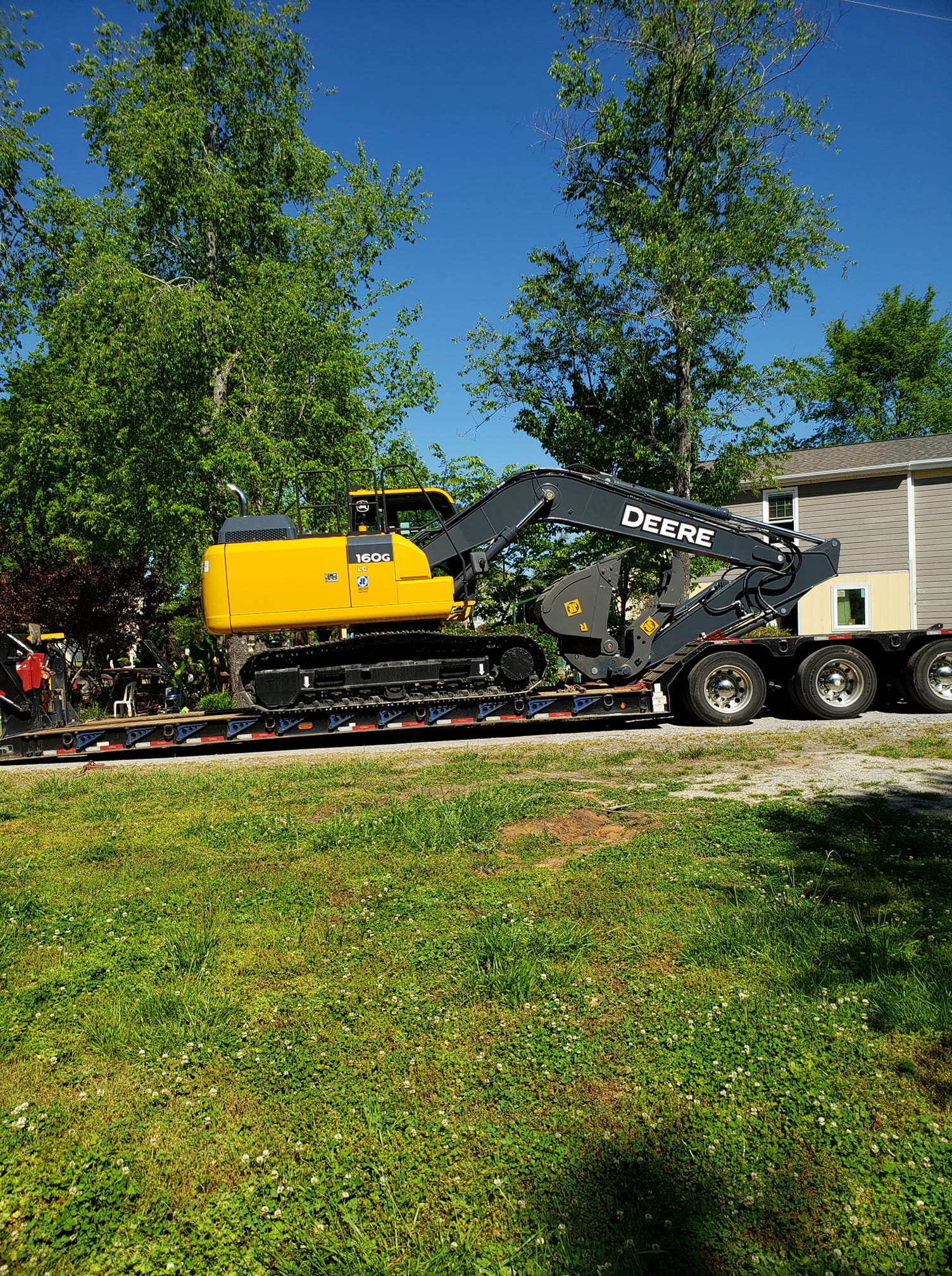
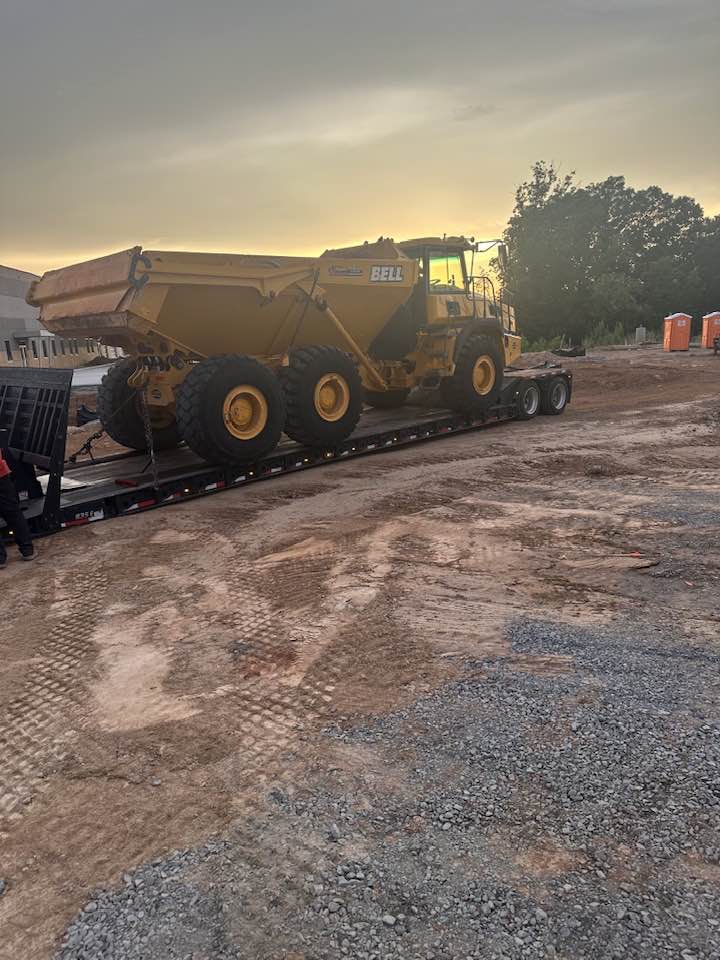
Frequently Asked Questions
What is compaction testing and why is it important?
Compaction testing verifies that fill material has been compressed to the proper density, ensuring structural stability and preventing future settlement. We perform standard Proctor tests and in-place density testing to meet specification requirements. This is essential before construction begins on any building or structure.
How long does grading take?
Timeline depends on site size, soil conditions, and complexity. A typical residential grading project in Fort Mill or Waxhaw takes 3-7 days. Larger commercial projects in Rock Hill or Charlotte may take 2-4 weeks. We provide detailed schedules after initial assessment.
What soil types do you work with?
We have extensive experience with soils throughout the Fort Mill, Rock Hill, and Charlotte areas — from clay and fill soils to rocky conditions and native subsoils. We adjust equipment and techniques based on soil characteristics to achieve proper compaction and minimize settlement.
Can you grade for both positive and negative drainage?
Absolutely. We grade to create positive drainage (water flows away from structures) or negative slopes (water flows toward collection areas) depending on your project needs. Proper drainage planning prevents water damage and foundation issues.