Why Drainage Matters
Poor drainage is one of the most common and costly property problems. Standing water around your home in Fort Mill, wet basements in Rock Hill, or water pooling in your yard in Charlotte can lead to foundation damage, soil erosion, mold growth, and structural failure. The good news: proper drainage solutions fix the problem permanently. At Evans Excavating, we've installed thousands of drainage systems across Fort Mill, Rock Hill, Charlotte, Waxhaw, Pineville, Ballantyne, Lake Wylie, York, Tega Cay, Chester, Clover, and Steele Creek. We understand the local geology, clay soils, drainage challenges, and the solutions that work.
Water damage isn't inevitable. With the right drainage system, water moves away from your property and into proper outlets. This protects your foundation, preserves your landscaping, prevents erosion, and maintains property value. We design and install drainage solutions specific to your site conditions and challenges.
Common Drainage Problems
Are you experiencing any of these signs? You likely need drainage work:
- Standing Water: Pools of water in yard after rain, taking days to drain. A sign that grading or subsurface drainage needs improvement.
- Basement Seepage or Flooding: Water entering basement during heavy rain. Usually indicates inadequate foundation drainage or improper grade sloping away from the house.
- Soggy Lawn or Landscaping: Marshy areas that stay wet long after rain. Indicates poor drainage in that zone and potential for root damage, plant death, and mosquito breeding.
- Erosion: Soil washing away or gullies forming during storms. A sign that water isn't being properly managed or directed away from the affected area.
- Concrete Settling: Driveways or patios cracking or sinking. Often caused by water undermining the base or inadequate drainage of water beneath the surface.
- Foundation Cracks: New or expanding cracks in foundation. Can indicate water pressure or inadequate footing drainage around the foundation perimeter.
Drainage Solutions We Install
We design and install comprehensive drainage systems tailored to your property:
- French Drains: The most common subsurface drainage system. A perforated pipe in a gravel-filled trench intercepts groundwater and directs it to a proper outlet. Installed around foundation perimeters, in low-lying yards, or along property lines to prevent water problems.
- Catch Basins: Underground collection points that intercept surface water from driveways, patios, or problem areas. Pipes carry water to drainage outlets or dry wells, preventing ponding and erosion.
- Dry Wells: Underground structures that allow water to percolate into the soil rather than running off the surface. Ideal for areas where surface outlets aren't practical or for managing moderate water volumes.
- Channel Drains (Trench Drains): Linear drainage systems that run along driveways, patios, or property edges. They intercept and direct sheet flow water before it becomes a problem.
- Grading Corrections: Regrading properties to create positive drainage — directing water away from structures and low areas. Often the most cost-effective solution for properties with poor slope.
- Downspout Extensions: Extending gutter downspouts away from the foundation with underground or surface pipes, preventing roof runoff from undermining the foundation.
- Curtain Drains: Shallow trenches with perforated pipe that intercept groundwater above wet areas, protecting lower-lying properties and gardens.
- Erosion Control: Combining drainage with strategic grading and stabilization to prevent soil loss during heavy rain events.
The Drainage Installation Process
Our systematic approach ensures lasting solutions:
- Site Inspection and Assessment: We visit your property, identify water sources, drainage patterns, slope issues, and soil conditions. We look at what's working and what needs improvement.
- Design and Proposal: We design a drainage system specific to your property. We explain the approach, show you the proposed layout, and provide clear cost and timeline estimates.
- Excavation: We carefully excavate trenches for French drains, catch basins, and other systems. We protect landscaping and existing structures where possible.
- Pipe Installation: We lay perforated pipe at the correct grade, ensuring proper slope for positive drainage toward the outlet.
- Gravel and Backfill: We place appropriate gravel around the drain pipe and backfill the trench to grade. Proper material selection ensures drainage performance.
- Site Restoration: We restore landscaping, compact soil, and leave your property clean. Newly installed French drains are typically invisible once grass or mulch is replaced.
- Testing and Verification: We test the system to confirm proper flow. During the next rain, water flows through the system as designed.
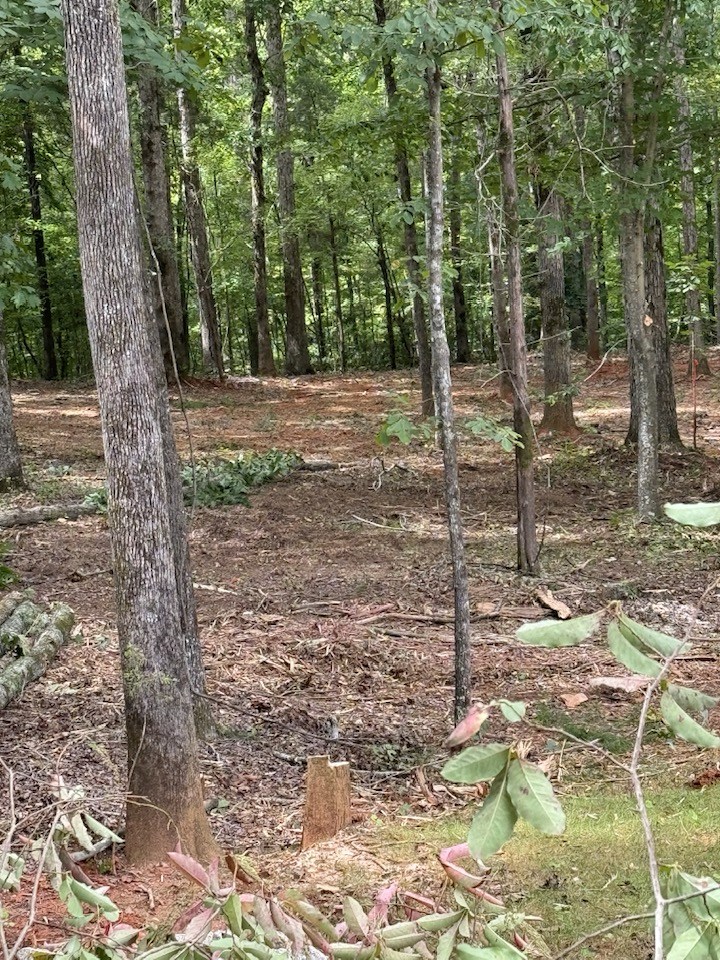
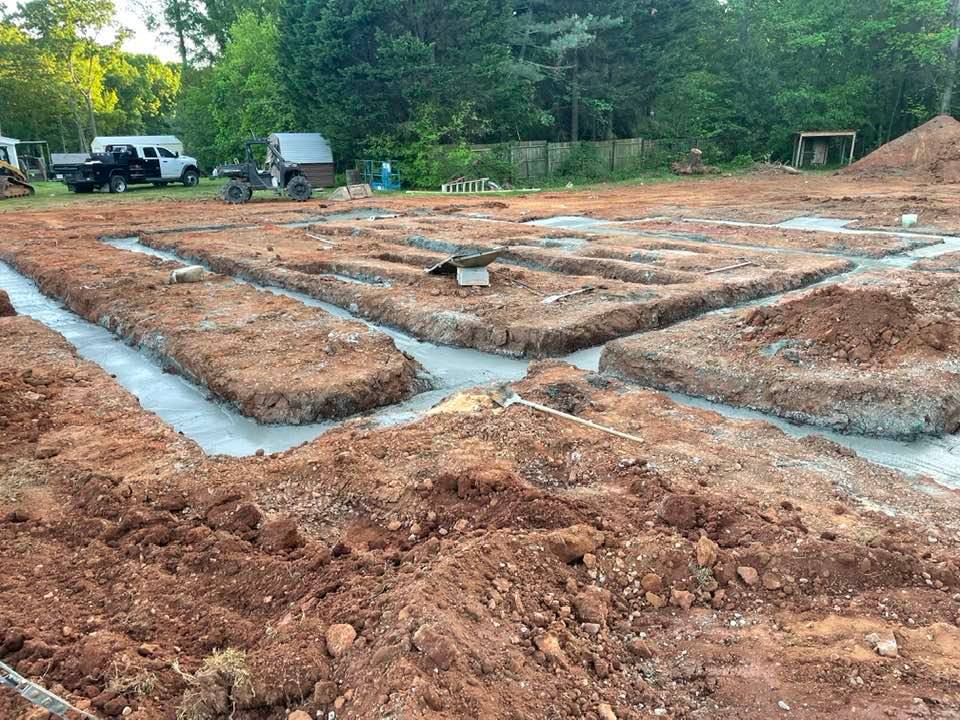
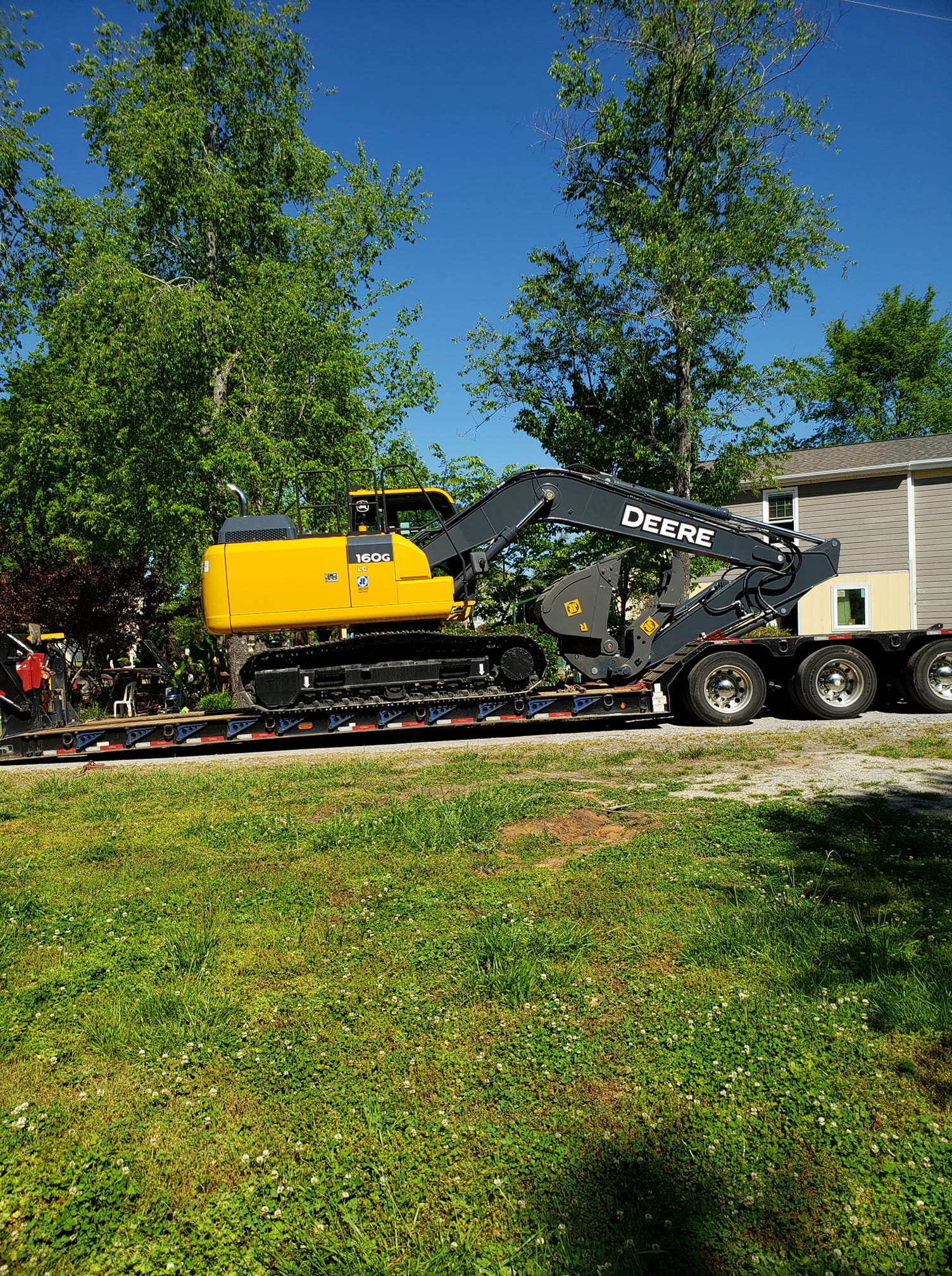
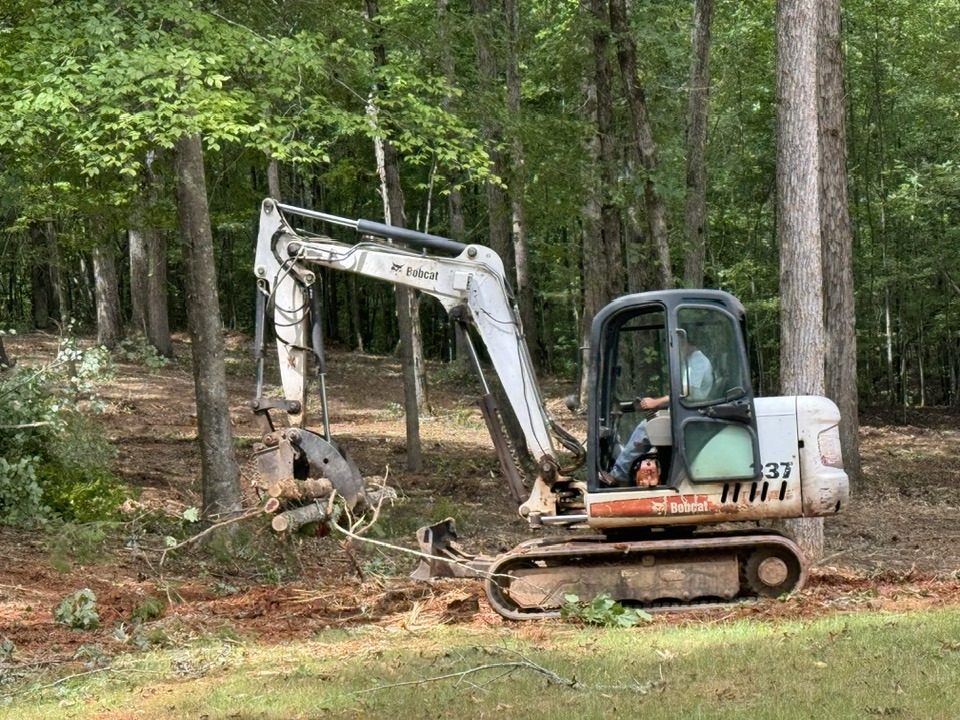
Gallery of Our Drainage Work
Frequently Asked Questions
How do I know if I need a drainage system?
Common signs include standing water after rain, wet basement seepage, soggy landscape areas, foundation cracks, or erosion problems. If you're experiencing any of these issues in Fort Mill, Rock Hill, or surrounding areas, a drainage assessment is worthwhile. We offer free consultations to evaluate your specific situation.
How do French drains work?
A French drain is a perforated pipe buried in a trench filled with gravel. Groundwater seeps through the gravel and into the pipe, which carries it to a proper outlet — a storm drain, dry well, or daylight point where it can exit safely. The system works passively (no pump needed) thanks to gravity and subsurface water flow patterns.
How much maintenance do drainage systems require?
Most modern drainage systems are very low-maintenance. French drains rarely need attention once installed. Catch basins may need periodic cleaning to prevent debris buildup. We discuss maintenance requirements when designing your system and recommend an occasional inspection if your system includes access points.
What factors affect drainage system cost?
Cost depends on the system type, length of pipe needed, excavation difficulty, soil conditions, and outlet location. A simple foundation perimeter French drain costs less than a comprehensive multi-point system with catch basins and grading work. We provide detailed quotes after assessing your property and understanding your drainage needs.