What Is Demolition?
Demolition is the safe, controlled dismantling and removal of structures, foundations, and other improvements from a property. Whether you're clearing an old building before new construction in Fort Mill, removing a pool in Rock Hill, demolishing a garage in Charlotte, or preparing land for redevelopment in Ballantyne or surrounding areas, professional demolition requires specialized equipment, experienced operators, and careful planning. We handle every aspect — permits, asbestos assessment, disconnection of utilities, interior demo, structural dismantling, foundation removal, and final site cleanup.
Evans Excavating has demolished hundreds of structures across Fort Mill, Rock Hill, Charlotte, Waxhaw, Pineville, Lake Wylie, York, Tega Cay, Chester, Clover, and Steele Creek. We understand local building codes, environmental regulations, and permitting requirements in each jurisdiction. We coordinate with inspectors, manage debris responsibly, and leave your site clean and ready for the next phase.
Types of Demolition Services
We offer comprehensive demolition services for various structures and situations:
- Structural Demolition: Complete removal of residential homes, commercial buildings, barns, outbuildings, and other structures. We safely bring down frames, walls, and roof systems.
- Foundation Removal: Excavation and removal of concrete foundations, including footings and basement slabs. We haul material for recycling or proper disposal.
- Pool and Spa Removal: Draining, demolition, and removal of in-ground and above-ground pools. We handle concrete decking, equipment, and debris.
- Concrete Removal: Removal of concrete slabs, driveways, patios, sidewalks, and other paving without damaging surrounding areas.
- Interior Demolition: Selective interior demo for renovations — walls, flooring, fixtures, cabinetry — while preserving structural elements.
- Selective Demolition: Careful removal of specific elements while preserving others — useful for renovation and reuse scenarios.
- Hazardous Material Handling: Professional assessment, abatement, and removal of asbestos, lead paint, and other regulated materials.
The Demolition Process
Our systematic approach ensures safe, efficient demolition:
- Pre-Demolition Assessment: We inspect the structure for hazardous materials (asbestos, lead, underground tanks), identify utility connections, and assess structural integrity.
- Permitting: We obtain all required demolition permits from local authorities. We understand Fort Mill, Rock Hill, Charlotte, and other local code requirements.
- Utility Disconnection: We coordinate with utility companies to safely disconnect gas, electric, water, sewer, and other services before demolition begins.
- Hazardous Material Abatement: If asbestos or other regulated materials are present, we hire licensed abatement contractors and manage removal to code.
- Structural Demolition: Using excavators, bulldozers, and wrecking equipment, we carefully bring down the structure section by section.
- Foundation Removal: We excavate and remove foundations, footings, and slabs. Concrete is recycled when possible.
- Debris Management: Metal, wood, concrete, and other materials are separated for recycling or proper disposal. Hazardous waste is handled per regulations.
- Final Cleanup: The site is cleared, graded, and prepared for the next phase of your project.
Equipment and Safety
We use specialized demolition equipment and prioritize safety throughout the process:
- Demolition Excavators: Fitted with hydraulic shears, breakers, and other attachments for precise structural dismantling.
- Wrecking Ball Equipment: Traditional wrecker equipment for large structural demolition when appropriate.
- Hydraulic Breakers: Powerful breakers for concrete and foundation removal, controlling dust and debris.
- Crushers and Processors: On-site concrete crushing for recycling reduces material haul-off costs.
- Dust Control: Water suppression and air filtration systems minimize dust and environmental impact.
- Safety Barriers: We establish secure perimeters, warn neighbors, and maintain active insurance and worker's compensation.
When You Need Demolition
Demolition is required for various situations across our service areas:
- Redevelopment Projects: Clearing old structures to make way for new construction in Fort Mill, Rock Hill, or Charlotte.
- Code Violations: Removing unsafe or non-compliant structures that cannot be repaired economically.
- Property Improvement: Removing unwanted structures, pools, or concrete to improve property value and usability.
- Estate Settlement: Demolishing structures on inherited properties as part of estate management or sale preparation.
- Commercial Renovation: Interior or selective demolition to clear space for modern business use.
- Utility Upgrades: Removing structures that interfere with utility line improvements or infrastructure projects.
Gallery of Our Demolition Work
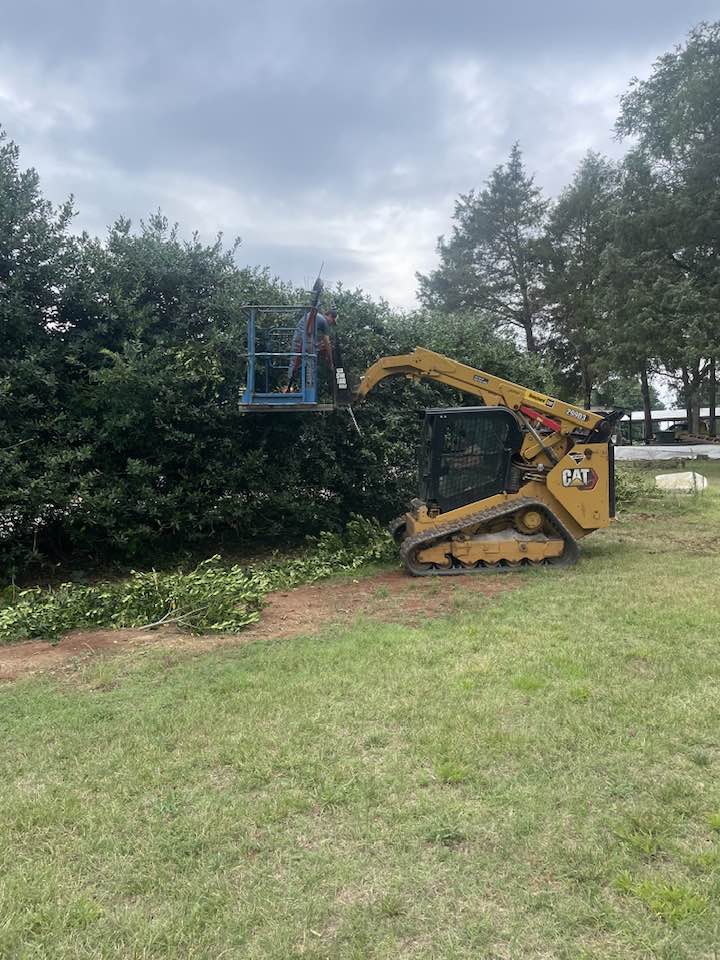
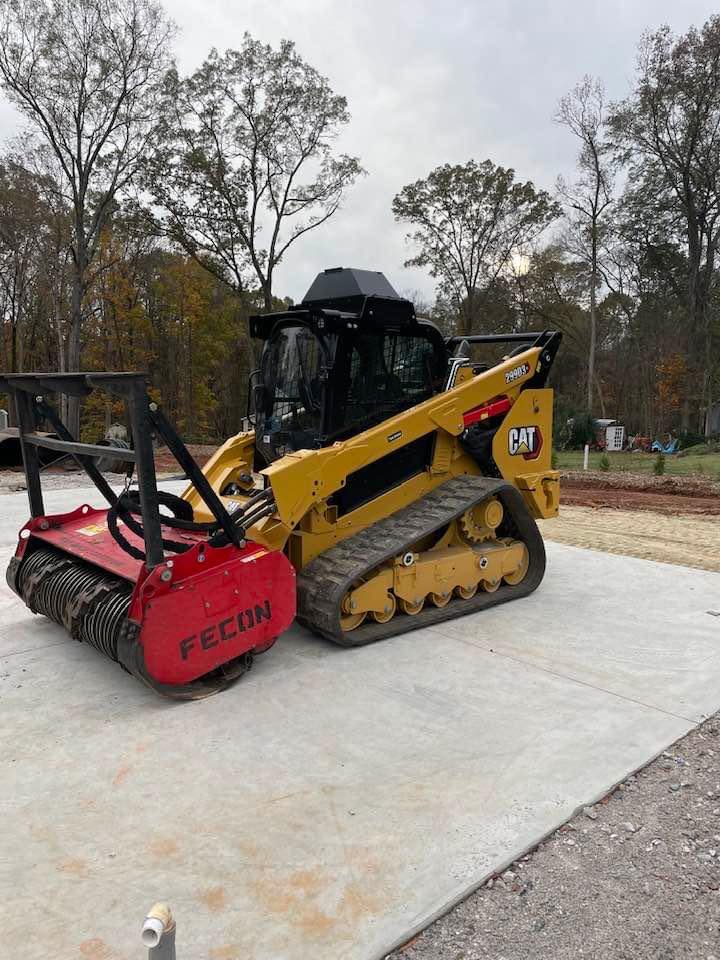
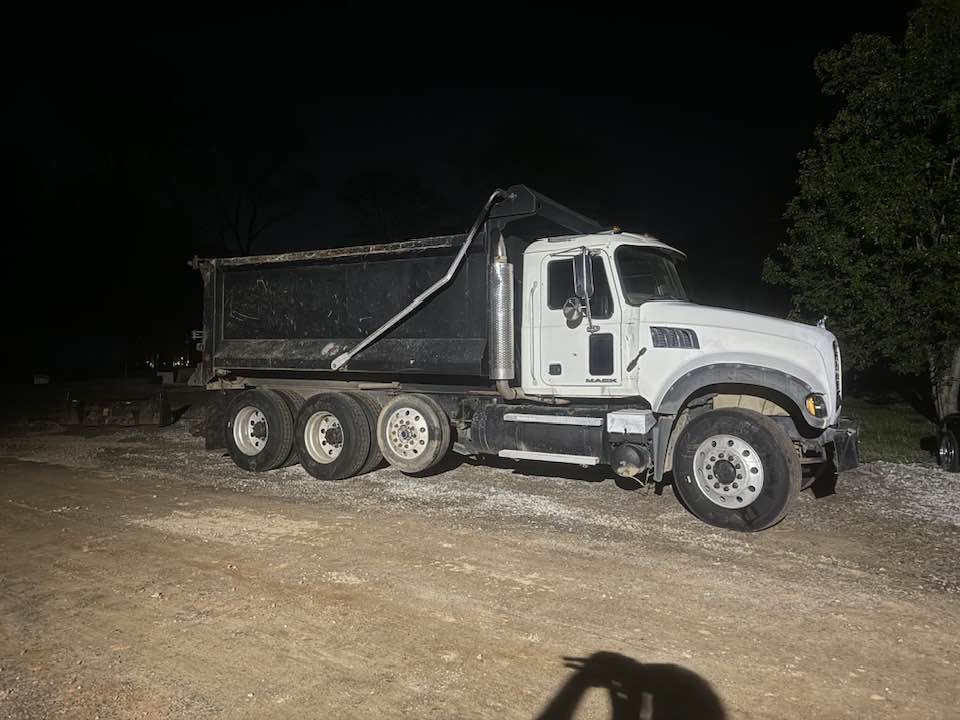
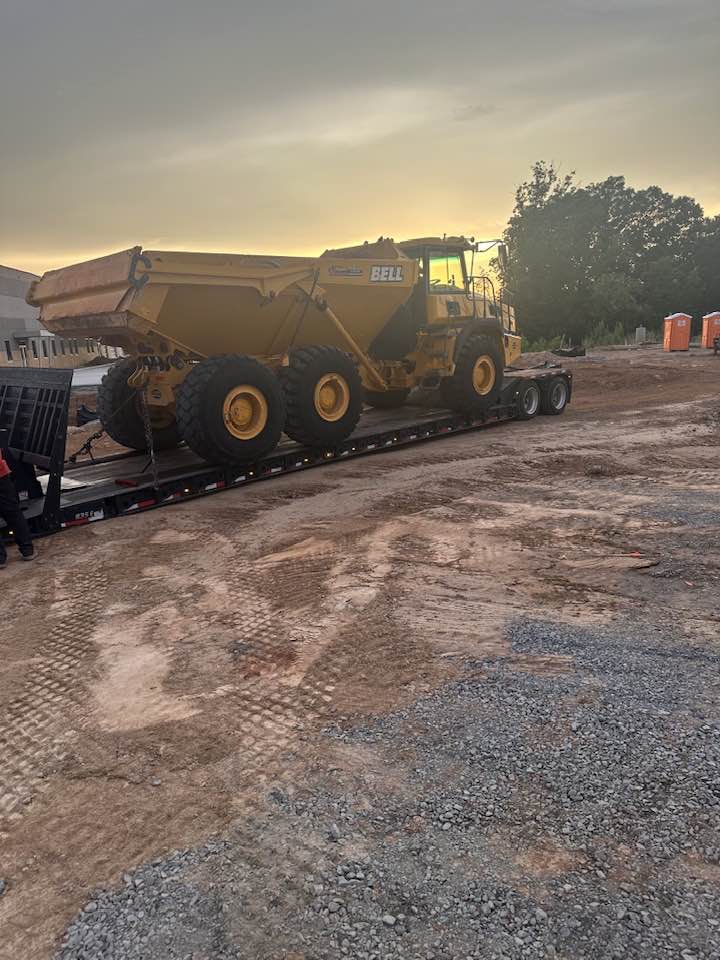
Frequently Asked Questions
How do I know if a structure has asbestos?
Asbestos is commonly found in older homes — insulation, floor tiles, roofing, siding, and other materials. We perform pre-demolition assessments to test for asbestos. If present, licensed abatement contractors remove it before demolition. This protects you, our crews, and the environment.
What permits do I need for demolition?
Permit requirements vary by municipality. Most demolition in Fort Mill, Rock Hill, and Charlotte requires a demolition permit, which we obtain for you. We coordinate with building departments, understand local code requirements, and ensure all work is properly permitted and inspected.
How long does demolition take?
Timeline varies based on structure size, complexity, and site conditions. A single-story residential home in Waxhaw typically takes 1-2 weeks. Larger commercial structures or those requiring hazardous material abatement may take 3-6 weeks. We provide detailed schedules after assessment.
Can anything be salvaged or recycled?
Yes! We separate and recycle what we can — wood, metal, concrete, and other materials. Some items like fixtures, hardware, and architectural elements can be salvaged for reuse or sale. We discuss options during the demolition planning phase.